

ADHD testing cost in 2026: what you pay with and without insurance


Without insurance, ADHD testing for adults can cost between $200 and $5,000 in the United States, depending on who performs the evaluation and how much formal testing it involves. With insurance, many patients can expect to pay a standard office visit copay of $0 to $75.
About 15.5 million US adults, or 6.0 percent, have a current ADHD diagnosis, and 55.9 percent of them were diagnosed after age 18. If you are working out how much ADHD testing costs, your plan answers only half the question. The other half is which provider you book.
An adult evaluation can be one structured conversation about your history and daily functioning, or a multi-day battery of standardized testing instruments. These two approaches are priced differently.
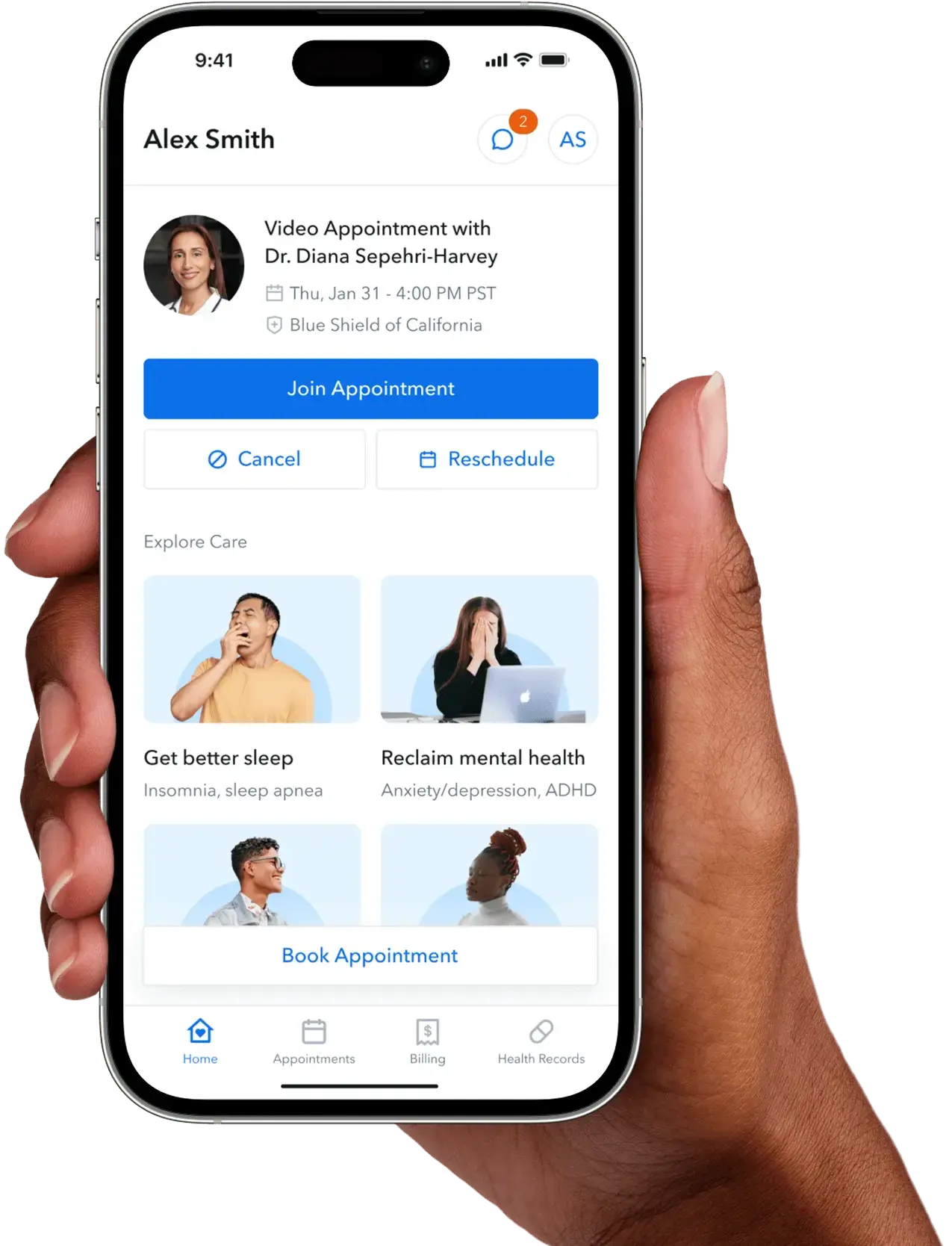
Circle Medical publishes its prices openly, so check out our figures for online ADHD treatment from board-certified providers.
ADHD testing costs at a glance
-
Without insurance: $200 to $900 for a clinical evaluation, $1,000 to $2,500 for standard psychological testing, $2,500 to $5,000+ for a neuropsychological battery.
-
With insurance: $0 to $75 per visit when the evaluation is billed as an office visit. A battery of tests can carry higher cost sharing and are denied more often.
-
Lowest cost: $0 to a few hundred dollars at a community health center or university training clinic, with waits that often run several months.
-
After the diagnosis: follow-up appointments recur, commonly monthly at first, at $35 on average with insurance or $120 self-pay at Circle Medical.
-
What affects your price most: whether your provider bills a diagnostic office visit or a psychological testing battery, which are separate claims reviewed under different rules.
How much does it cost to get tested for ADHD?
Getting tested for ADHD can cost from $200 to $5,000 without insurance and $0 to $75 per visit with it. The difference can be huge because “testing” covers everything from a 30-minute conversation with a primary care provider to a multi-day battery scored by a psychologist. Find your route below.
| Evaluation route | Typical self-pay cost | Typical cost with insurance | Appointments | Typical time to an answer |
|---|---|---|---|---|
| Primary care provider evaluation | $179 to $900 | $0 to $75 | 1 to 3 | Days to a few weeks |
| Psychiatric practice evaluation | $200 to $900 | $20 to $75 | 1 to 2 | Weeks, longer where waitlists are long |
| Standard psychological testing | $1,000 to $2,500 | $100 to $500 | 2 to 4 | Several weeks |
| Comprehensive neuropsychological battery | $2,500 to $5,000+ | $500 to $2,500+, denied more often | 3 to 5 | Weeks to months |
| Video visit with a licensed provider | $179 first, $120 follow-up | $35 on average | 3 | Days to a few weeks |
| Online screening questionnaire or app | $0 to $400 | Rarely covered | 0 | Immediate, but not a diagnosis |
| University training clinic or community health center | Sliding scale by income, sometimes $0 | Varies, often accepts Medicaid | 2 to 4 | Often several months |
What it costs to get tested with insurance
An evaluation that is billed as an office visit can cost you a copay. A basic clinical evaluation can cost $20 to $75 with coverage in place, and Circle Medical patients pay $35 on average per appointment.
Three things decide where you land in that range: your deductible, whether the provider is in network, and how your plan classifies mental health visits.
What it costs to get tested without insurance
If you’re paying yourself, a clinical evaluation can run between $200 to $900, while standard psychological testing can run $1,000 to $2,500. A neuropsychological battery can run $2,500 to $5,000 or more.
Circle Medical’s self-pay rate is $179 for a first ADHD appointment and $120 for follow-ups.
What a screener costs compared with a full evaluation
An online screener costs between $0 to about $400 and gives you a score. To get an official diagnosis, you’ll need a licensed clinician to review your history, rule out other explanations for your symptoms, and document their findings.
An expensive mistake most people make is paying for a screener and then paying again for the evaluation that cannot be replaced.
If you want to skip a screener, Circle Medical providers review symptoms directly in a video visit. Once you know the price of your route, the next question is what that price pays for.
What you are paying for in an ADHD evaluation
An ADHD evaluation doesn’t carry lab fees and equipment costs. You are paying for a licensed clinician’s hours, and four things decide how much of that process lands on your bill.
You are paying for the clinician’s time and training
A primary care provider, a psychiatric provider and a psychologist can all evaluate an adult for ADHD. They charge differently because they bill differently.
Primary care sits at the low end, where you pay for a diagnostic office visit. Psychological testing sits at the high end, where you also pay for administering, scoring and interpreting standardized instruments.
Each appointment in the evaluation is charged separately
Some practices reach a conclusion in one long appointment. Others split the work across an intake, a health assessment, and a diagnosis appointment. This is how Circle Medical structures its ADHD evaluation.
Our patients are billed after each appointment. Two visits at $120 costs more than one at $200, so count the visits before you compare the rates.
You are paying for testing instruments only when they are used
This line item can affect your bill more than the other three.
A diagnostic office visit and a psychological testing battery are separate claims under separate coverage rules. Medicare’s policy states that testing is not covered when it is “used as screening tests given to the individual or to general populations”, and many commercial plans apply similar medical necessity standards.
A plan can pay for the appointment where a provider evaluates you and then deny an ordered battery without a documented clinical reason. Ask which of the two your provider intends to bill.
You are paying local rates unless you see someone by video
Clinician time is priced against local practice costs, so the same battery costs can be noticeably higher in a large metropolitan area compared to a smaller market.
Practices that see patients by video across many states usually publish one national rate.
Once you know what sits on your bill, the next question is which parts of it your plan will pay.

ADHD testing insurance coverage: what is paid and what is not
Plans commonly pay for the diagnostic office visit, the follow-up appointments that come with a new diagnosis, and ongoing care afterward. That’s all still subject to your copay, coinsurance and deductible.
Testing batteries are often paid too, provided that the clinician documents medical necessity and secures prior authorization where the plan requires it.
Circle Medical is in network with many PPO insurance plans and verifies benefits before your appointment, so you can review the insurance plans we accept first.
What your plan usually does not pay for
Out-of-network providers, testing ordered for school or workplace accommodations, self-administered screeners, and testing performed without a documented clinical reason aren’t commonly covered by insurance.
The costliest version is a battery run without the prior authorization your plan required. That kind of claim often gets denied after the appointment has already happened, and the full amount lands on you.
Nine questions to ask your insurance
Call the member services number on the back of your insurance card with the practice’s name ready, and ask for a reference number at the end, since a verbal quote is not a guarantee of payment.
- Is an adult ADHD evaluation a covered benefit under my plan?
- Is [practice name] in network for mental health services under my specific plan?
- What is my copay or coinsurance for an outpatient mental health office visit?
- How much of my deductible have I met this year?
- Does my plan cover psychological testing codes 96130 and 96136, and is prior authorization required?
- Is there an annual limit on covered testing hours?
- For an out-of-network provider, what percentage do you reimburse, and do you accept a superbill?
- How many follow-up appointments after a diagnosis are covered?
- Can I have a reference number for this call?
In question seven, a superbill refers to an itemized receipt with diagnosis and procedure codes. You pay the out-of-network provider, submit the superbill to your insurer yourself, and claim part of the cost back.
If that phone call with your insurance lands most of your evaluation on the unpaid side, or you have no plan to call, the self-pay routes are more varied than they look.
Paying out of pocket for ADHD testing: ranges and low-cost routes
Under the No Surprises Act, providers must give uninsured and self-pay patients a good faith estimate of expected charges.
Schedule an appointment at least three business days ahead and you’ll receive an estimate within one business day. If your final bill lands $400 or more above the estimate, you may be able to dispute it
ADHD evaluation costs once, follow-up care costs monthly
So far, we’ve discussed the one-time charge of an evaluation. But care after an ADHD diagnosis runs on a monthly clock.
Follow-up appointments are commonly monthly at first, and at Circle Medical they cost $120 self-pay or $35 on average with insurance, billed after each appointment with no memberships or hidden fees.
Medication, when clinically appropriate, adds a recurring copay that varies widely by prescription and plan. Budget for twelve months, not one appointment.
ADHD testing cost FAQs
Is ADHD testing covered by insurance?
Many plans cover an ADHD evaluation when a licensed provider documents a clinical reason for it, and coverage is more consistent for a diagnostic office visit than for a testing battery. Under the Affordable Care Act, non-grandfathered individual and small group plans must include mental health services as an essential health benefit, though specifics vary by policy. Call your insurer before booking.
How much does ADHD testing cost without insurance?
Self-pay costs run roughly $200 to $900 for a clinical evaluation, $1,000 to $2,500 for standard psychological testing, and $2,500 to $5,000 or more for a neuropsychological battery (Grow Therapy, June 2026). Circle Medical’s published self-pay rate is $179 for a first ADHD appointment and $120 for follow-ups. Ask any practice for a good faith estimate in writing.
Can I get tested for ADHD for free?
Some adults pay nothing. Community health centers set fees on a sliding scale by income, and HRSA states that anyone may use one regardless of insurance status. University psychology training clinics offer low-cost evaluations by supervised doctoral trainees. Both commonly involve waits of several months, so they suit people who can plan ahead.
Why is ADHD testing so expensive?
Price follows clinician hours. A neuropsychological battery means administering, scoring and interpreting standardized instruments across several appointments, many times the clinician time of a diagnostic office visit. Testing is also billed under separate codes with stricter medical necessity review, so a denied claim can leave the full amount with you.
Does Medicaid cover ADHD testing?
Medicaid covers behavioral health services in every state, though benefits, networks and authorization rules are set state by state. Contact your state Medicaid office or managed care plan to confirm what an adult evaluation requires where you live. Circle Medical is not able to see patients covered by Medicaid or Medi-Cal, so a community health center is usually the better starting point.
How much is an ADHD diagnosis from a primary care provider?
A primary care evaluation is the lower-cost route in most markets, roughly $179 to $900 self-pay and $0 to $75 per visit with insurance. It is billed as a diagnostic office visit rather than psychological testing, which is why plans cover it more consistently. Ask how many visits a practice expects before comparing prices.
Do I have to pay for the evaluation if I am not diagnosed with ADHD?
Yes. The fee covers the clinician’s time and judgment, whatever conclusion they reach. An evaluation that rules ADHD out is still useful, because it often surfaces another explanation for your symptoms such as sleep problems, anxiety or a thyroid condition. Coverage attaches to the visit, so a covered evaluation stays covered.
How long does insurance take to approve ADHD testing?
Prior authorization timelines are set by each plan and typically run from a few days to a few weeks, with faster turnaround for urgent requests. Not every evaluation needs authorization. A diagnostic office visit usually does not, while a testing battery often does. Ask your insurer directly, and ask for a reference number.
Check your coverage, then book an ADHD evaluation
ADHD testing prices range from $200 to $5,000 because “testing” describes two different things. One is a conversation with a licensed provider who knows what to ask and is billed like any other office visit and paid for by many plans. The other is a battery of standardized instruments, billed separately and reviewed more strictly.
Check your coverage first using the nine questions above and you will know your likely out-of-pocket cost before you spend anything. Book your appointment with that answer in hand and a practice that has told you how it intends to bill.
If your symptoms are affecting your work, your relationships or your safety, speak with a primary care provider sooner whichever route you take.
Circle Medical has 300+ board-certified providers and is in network with many PPO insurance plans. We charge no membership or hidden fees, and bill you only after your appointment. Your care doesn’t have to stop with ADHD. As a primary care practice, we know that ADHD is just one piece of making you healthy.


Talk to a provider about your health today
In network with most insurance plans
No memberships or hidden fees
Pay only after your appointment