

Circle Medical clinical outcomes: redefining virtual ADHD and primary care delivery


Circle Medical’s story
We believe great primary care starts with seeing the whole patient - and partnering with them over time.
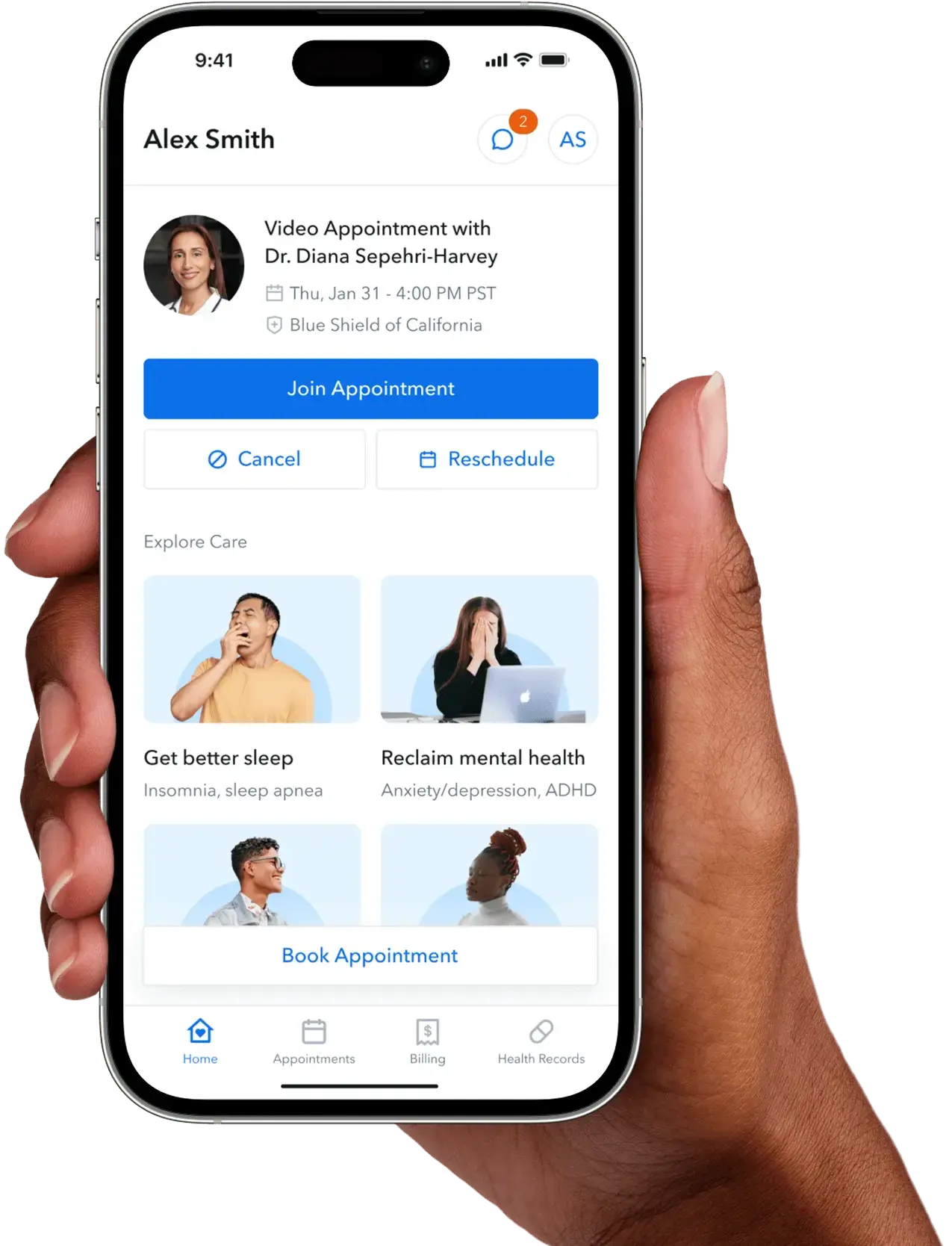
Circle Medical is a virtual-first primary care practice built around comprehensive, longitudinal care. Our providers are board-certified in internal medicine or family medicine and care for the full spectrum of health needs, from preventative and wellness care to chronic conditions and behavioral health, including our large population of primary care patients with Attention Deficit-Hyperactivity Disorder (ADHD).
Comprehensive primary care matters.
At Circle Medical, ADHD care includes thoughtful evaluation and diagnosis, individualized treatment, appropriate safety monitoring, and ongoing follow-up, while keeping preventative care, co-occurring conditions, and the patient’s broader health in view.
ADHD is one part of your health, not the whole picture
Our providers look beyond ADHD symptoms to consider the full picture of a patient’s health, including physical and mental health, medications, lifestyle, sleep, and other factors that may influence care. This includes screening for clinically relevant conditions such as anxiety, depression, elevated blood pressure, metabolic concerns, and sleep disorders to support safe, individualized treatment.
This broader approach matters because ADHD can affect health and well-being across the lifespan.
Research has linked ADHD in adults with higher rates of premature mortality, accidental injury, and suicidal behavior, with one large primary-care study estimating a life-expectancy gap of approximately 7 years for men and 9 years for women diagnosed with ADHD.¹

We measure both outcomes and the care that supports them.
Our outcomes incorporate preventative care, screening, medication safety, ongoing monitoring, and patient experience, providing a more complete view of how Circle Medical delivers comprehensive, high-quality primary care.
Circle Medical by the numbers
What does comprehensive primary care look like in practice?
Across conditions ranging from weight management and hypertension, to diabetes and behavioral health, we measure how patients progress over time with the management of their chronic medical conditions.
Hypertension is a chronic condition impacting nearly 120 million in the U.S. According to a study, 51.1% of patients with hypertension have achieved blood pressure control in 2021-2023.²
Circle clinicians monitor blood pressure over time, adjust medication when clinically indicated, and support lifestyle changes that can contribute to long-term heart health. Patients can share blood pressure readings from a home device or pharmacy cuff, giving providers additional information between visits.
Hypertension
61% of Circle Medical patients with hypertension have achieved blood pressure control.
Using the HEDIS threshold for blood pressure control as the most recent blood pressure for a patient with hypertension was <140/90 mm Hg during the measurement period.³
For patients with type 2 diabetes, a blood sugar (A1C) level below 8.0% is a benchmark target for diabetes control. Nationally, approximately 60–66% of patients with type 2 diabetes achieve this target.⁴
Circle clinicians monitor blood glucose and A1C, adjust glucose-lowering medication when clinically indicated, and support lifestyle changes that can help patients manage their blood sugar and overall metabolic health.
Type 2 diabetes
78.2% of Circle Medical patients with type 2 diabetes meet the <8.0% A1C target.
Using the HEDIS defined threshold, including patients whose most recent glycemic status (hemoglobin A1c [HbA1c] or glucose management indicator [GMI]) was <8.0%.⁵
Weight management is part of overall health, not a goal in isolation.
Obesity is a well-established risk factor for many chronic conditions, including hypertension and type 2 diabetes, and can make these conditions more difficult to manage. When clinically appropriate, Circle clinicians prescribe GLP-1 medications as part of a broader primary care plan. Treatment is considered alongside related health factors such as blood pressure, blood sugar, heart health, nutrition, and physical activity, with the care plan adjusted as a patient’s needs change.
Patients with obesity prescribed semaglutide at Circle Medical lost an average of 8 lbs within 90 days, consistent with studies on semaglutide’s effects on weight loss within comparable timeframes.⁶
Mental health is part of primary care.
Circle clinicians consider anxiety and depression alongside a patient’s broader medical history and overall well-being. When appropriate, treatment may include medications such as selective serotonin reuptake inhibitors (SSRIs), lifestyle counseling tailored to the patient, and referral to behavioral health therapy.
Anxiety
Primary care benchmark
Studies done in primary care settings show nearly 65.9% of psychological interventions were effective in reducing patients’ anxiety symptoms.⁷
Circle Medical outcome
86.9% of Circle Medical patients experienced improvement in anxiety symptoms within 90 days, based on reductions in GAD-7 scores.
Depression
Primary care benchmark
Studies completed in primary care settings showed 38% of patients with depression experienced a treatment response within 90 days.⁸
Circle Medical outcome
88.2% of Circle Medical patients experienced improvement in depression symptoms within 90 days, based on reductions in PHQ-9 scores.
PCP-delivered ADHD care
ADHD care shouldn’t stop at symptom management.
ADHD can affect health and well-being across a person’s lifespan. Research has found that adults with ADHD have higher rates of several important health risks, including cardiovascular disease, accidental injury, and suicidal behavior. In a large Swedish population-based study of more than 5.3 million adults followed for nearly 12 years, adults with ADHD had approximately twice the risk of developing cardiovascular disease compared to adults without ADHD.⁹
These findings highlight why ADHD care benefits from a comprehensive primary care approach. Treating ADHD within the context of a patient’s broader health creates opportunities to identify co-occurring conditions, address preventative care needs, monitor relevant health risks, and make treatment decisions based on the whole patient.
Comprehensive ADHD care
81.5% of patients receiving ADHD care had an annual wellness visit completed within the last 12 months, helping to ensure ADHD care is being considered alongside a patient’s broader health.
ADHD care at Circle Medical is integrated into comprehensive primary care.
Looking beyond ADHD symptoms
Circle providers incorporate screening for common co-occurring conditions and relevant health risks alongside ADHD assessment and treatment. Patients are routinely screened using validated questionnaires for anxiety (GAD-7), depression (PHQ-9), eating disorders (SCOFF), gambling use disorder (BBGS), and sleep apnea (STOP-BANG), with additional evaluation based on individual needs.
Screening that informs care
Anxiety and depression are the most frequent co-occurring conditions in adults with ADHD. Research suggests that up to 50% of adults with ADHD experience an anxiety disorder. Depression is similarly prevalent, with studies reporting depression rates from 18.6% to 53.3% among ADHD patients.¹⁰ This is why Circle Medical takes pride in its high screening rates to identify co-occurring anxiety and depression early.
Mental health screenings
94.5% of ADHD patients are screened for co-occurring anxiety.
94.6% of ADHD patients are screened for co-occurring depression.
Based on PHQ-9 and GAD-7 questionnaires reported by Circle Medical patients.
Measuring progress over time
When screening identifies clinically significant symptoms, providers can use those results to help inform care and monitor progress.
Among Circle Medical patients with ADHD who screened positive for moderate anxiety or depression, 67% of those with anxiety and 68% of those with depression reported clinically significant improvement in their respective symptoms within 180 days.
Safety monitoring is part of ADHD care
Comprehensive ADHD care also means considering medication safety and relevant physical health risks.
For patients prescribed stimulant medication, Circle’s clinical approach can include assessing blood pressure before treatment and continued monitoring during care. When warranted, this provides a blood pressure baseline before initiating stimulant treatment and creates an opportunity to identify changes that may require further evaluation.

82%
of patients treated for ADHD had a documented blood pressure screening before being prescribed a stimulant, providing a blood pressure baseline before initiating treatment.

71.4%
of patients had a subsequent blood pressure reading on file within 45 days of being prescribed a stimulant medication, supporting ongoing monitoring of both ADHD treatment and cardiovascular health.
What our patients are saying
Great care is about both outcomes and experience.
We want patients to feel supported, heard, and confident in the care they receive, and our patient-reported experience measures provide another way to understand that experience.
Net promoter score
In a Net Promoter Score (NPS) survey, 79.9% of NPS responses submitted by Circle Medical patients were promoters, rating their experience a 9 or 10 out of 10. Resulting in an NPS score of 68.¹¹
The NPS score average for healthcare technology companies ranges from 35-45.
Customer satisfaction score
99.6% of CSAT responses rated the appointment a 4 or 5 on the 5-point CSAT scale.
The benchmark for CSAT scores in the healthcare industry is between 74-78%.¹²
Comprehensive care. Meaningful outcomes.
At Circle Medical, we believe primary care should do more than address what brings a patient to the doctor today. It should help patients understand their health, identify concerns early, manage chronic conditions effectively, and make progress over time.
Our virtual-first model brings this approach directly to patients while maintaining the clinical standards of traditional primary care: thoughtful evaluation, evidence-based treatment, appropriate screening, medication safety, ongoing monitoring, and continuity of care.
ADHD care illustrates the value of this integrated approach. Patients seeking ADHD care may also have co-occurring mental and physical health conditions, making a comprehensive view of their health especially important. By integrating behavioral health with primary care, our providers can address ADHD while also considering co-occurring conditions, preventive health needs, and the patient’s broader medical history.
The result is primary care designed around the whole patient, and outcomes we can measure.
High-quality primary care should be comprehensive, connected, and built to support patients over time. That’s what we’re building at Circle Medical - and we’re committed to measuring how well we deliver it.
About these outcomes
These measures reflect outcomes observed among eligible Circle Medical patients during the specified measurement periods. They are descriptive real-world outcomes and should not be interpreted as findings from a randomized or controlled clinical trial. Individual results may vary.
Data footnotes
Anxiety symptom improvement among patients with moderate to severe anxiety:
- Measurement period: Aug 1 2025 - April 30, 2026
- Eligible population: Patients with F41.1, F41.9, or F41 diagnosis codes and an initial GAD-7 score ≥10, denoting moderate to severe anxiety. Patients who completed a subsequent questionnaire 30-90 days after initial screening.
- Sample size: 388
- Definition of “improvement”: ≥5-point reduction from initial to most recent questionnaire score within the measurement period.
- Follow-up rate: 7.8% of patients with an initial GAD-7 ≥10 completed a qualifying follow-up assessment within 30–90 days. GAD-7 retesting was not standardized during the measurement period; therefore, the improvement results reflect only patients who were re-tested and may not be representative of the full eligible population. A standardized questionnaire retesting schedule has since been implemented.
Depression symptom improvement among patients with moderate to severe depression:
- Measurement period: Aug 1 2025 - April 30, 2026
- Eligible population: Patients with F33, F33.0, F33.1, F33.2, F33.4, F33.9, F32.1, or F32.8 diagnosis codes and an initial PHQ-9 score ≥10, denoting moderate to moderately severe depression. Patients who completed a subsequent questionnaire 30-90 days after initial screening.
- Sample size: 304
- Definition of “improvement”: ≥5-point reduction from initial to most recent score within the measurement period.
- Follow-up rate: 10.6% of patients with an initial PHQ-9 ≥10 completed a qualifying follow-up assessment within 30–90 days. PHQ-9 retesting was not standardized during the measurement period; therefore, the improvement results reflect only patients who were re-tested and may not be representative of the full eligible population. A standardized questionnaire retesting schedule has since been implemented.
Hypertension: blood pressure control
- Measurement period: Jan 1, 2025 – Dec 31, 2025
- Eligible population: Patients who have a hypertension related diagnosis code (I10) within the measurement period.
- Sample size: 6,123
- Logic behind metric: Using the HEDIS threshold for blood pressure control for patients 18–85 years of age who had a diagnosis of hypertension and whose most recent blood pressure was <140/90 mm Hg during the measurement period.
Type 2 diabetes: blood glucose control
- Measurement period: Jan 1, 2025 - Dec 31, 2025
- Eligible population: Patients with a diagnosis related to type 2 diabetes within the measurement period.
- Sample size: 792
- Logic behind metric: Using the HEDIS threshold for type 2 diabetes control, hemoglobin A1C <8.0%.
Average weight loss among patients with obesity prescribed a semaglutide at Circle Medical
- Measurement period: 90 days from the time patient was first prescribed a semaglutide medication by a Circle Medical clinician
- Eligible population: Patients with BMI ≥30 and a formal obesity diagnosis, prescribed a semaglutide, with a follow-up appointment within the measurement period. When multiple weights were available, the most recent weight during the measurement period was selected.
- Sample size: 822
- Logic behind metric: Purpose of this metric was to showcase the average weight loss among patients with obesity treated with a semaglutide at Circle Medical for 90 days.
Annual wellness exams completion in patients with ADHD
- Measurement period: June 1 2025 – June 30 2026.
- Eligible population: Patients with an F90 (ADHD) diagnosis who had a documented AWE on file, completed either at CM or externally in the last 12 months from the measurement period. The 12-month look back applies to any date within the measurement period, so AWEs completed as early as June 1, 2024 (12 months before the period start) through June 30, 2026 are counted.
- Sample size: 86,626
Anxiety screening in ADHD patients
- Measurement period: June 1, 2026 - August 31, 2026
- Eligible population: Patients with an F90 (ADHD) diagnosis code seen in an appointment on/after June 1, 2026 whose GAD-7 questionnaire results were received 30 days before or 30 days after the CHA appointment.
- Sample size: 4,724
Depression screening in ADHD patients
- Measurement period: June 1, 2026 - August 31, 2026
- Eligible population: Patients with an F90 (ADHD) diagnosis code seen in an appointment on/after June 1, 2026 whose PHQ-9 questionnaire results were received 30 days before or 30 days after the CHA appointment.
- Sample size: 4,724
Anxiety symptoms in ADHD patients
- Measurement period: Jan 1- December 31 2025
- Eligible population: Patients with an F90 ADHD diagnosis code who scored ≥10 on GAD-7, whose subsequent questionnaire results were received between 30-180 days after initial screening.
- Sample size: 812
- Definition of “improvement”: Reduction in score of ≥5 points. If multiple scores were available, the most recent score was selected.
- Follow-up rate: 5.9% of patients with an initial GAD-7 ≥10 completed a qualifying follow-up assessment within 30–180 days. GAD-7 retesting was not standardized during the measurement period; therefore, the improvement results reflect only patients who were re-tested and may not be representative of the full eligible population. A standardized questionnaire retesting schedule has since been implemented.
Depression symptoms in ADHD patients
- Measurement period: Jan 1- December 31 2025
- Eligible population: Patients with an F90 ADHD diagnosis code who scored ≥10 on PHQ-9, whose subsequent questionnaire results were received between 30-180 days after initial screening.
- Sample size: 881
- Definition of “improvement”: Reduction in score of ≥5 points. If multiple scores were available, the most recent score was selected.
- Follow-up rate: 5.4% of patients with an initial PHQ-9 ≥10 completed a qualifying follow-up assessment within 30-180 days. PHQ-9 retesting was not standardized during the measurement period; therefore, the improvement results reflect only patients who were re-tested and may not be representative of the full eligible population. A standardized questionnaire retesting schedule has since been implemented.
Blood pressure capture before stimulant prescription
- Measurement period: June 1 2026 onwards
- Eligible population: Patients with an F90 ADHD diagnosis who completed the ADHD program intake process (visits 1–3) and had a BP entry prior to stimulant prescription.
- Sample size: 4,026
Blood pressure monitoring after stimulant prescription
- Measurement period: June 1 2026 - August 1, 2026
- Eligible population: Patients with an F90 ADHD diagnosis who had a BP entered within 45 days of being prescribed a stimulant medication.
- Sample size: 1,620
NPS
- Measurement period: January 1, 2026 - July 31, 2026
- Eligible population: Patients who submitted an NPS rating during the measurement period.
- Sample size: 31,440
CSAT
- Measurement period: January 1, 2026 - July 31, 2026
- Eligible population: Patients who submitted a CSAT score during the measurement period.
- Sample size: 87,341
References
- https://pubmed.ncbi.nlm.nih.gov/39844532/
- https://pmc.ncbi.nlm.nih.gov/articles/PMC11735471/
- https://www.ncqa.org/report-cards/health-plans/state-of-health-care-quality-report/blood-pressure-control-for-patients-with-hypertension-bpc-e/
- https://iha.org/wp-content/uploads/2025/02/AMP-incentive-design-benchmarks-MY-2024-25_v2.pdf
- https://www.ncqa.org/report-cards/health-plans/state-of-health-care-quality-report/glycemic-status-assessment-for-patients-with-diabetes-gsd/
- https://pubmed.ncbi.nlm.nih.gov/39776038/
- https://pmc.ncbi.nlm.nih.gov/articles/PMC7909724/
- https://pmc.ncbi.nlm.nih.gov/articles/PMC10846930/
- https://pmc.ncbi.nlm.nih.gov/articles/PMC9453905/
- https://pmc.ncbi.nlm.nih.gov/articles/PMC12179154/
- https://www.zonkafeedback.com/blog/nps-in-healthcare-and-patient-satisfaction
- https://merren.io/blogs/what-is-good-csat-score/


Talk to a provider about your health today
In network with most insurance plans
No memberships or hidden fees
Pay only after your appointment