















Mental Health and Relationships


Healthy Relationships and Mental Health: Why Connection Matters
TL;DR: How Relationships Support Mental Health
- Healthy relationships play an important role in mental health by shaping how people experience stress, emotions, and connection in everyday life.
- Supportive relationships can help reduce stress, steady mood, and build emotional resilience over time, while ongoing relationship difficulties may increase emotional strain and mental health challenges.
- Emotional safety, mutual support, and positive social interactions help the brain and body manage stress more effectively and feel less isolated.
- When mental health symptoms persist or begin to interfere with daily life, professional care can work alongside personal support.
- Primary care providers can help assess concerns, consider the full picture of health, and guide next steps for support.
Relationships Affect Mental Health in Subtle and Significant Ways
Mental health and relationships are deeply connected across many aspects of daily life. People often notice this connection in small moments, such as feeling calmer after talking with a trusted friend, a partner, or a family member, or feeling drained during periods of ongoing relationship difficulties. Social interactions with romantic partners, family members, friends, coworkers, and parents can influence how the brain and body respond to stress, how emotions and feelings are processed, and how supported or isolated a person feels.
Recognizing how relationships affect mental health helps people understand when personal support is enough and when seeking support from a healthcare provider may be an important next step.
Healthy Relationships Create Emotional Safety
Emotional safety means a person can share feelings, concerns, or stress without fear of judgment, dismissal, or retaliation. In emotionally safe relationships, people feel comfortable having honest conversations, setting limits, and speaking up when something feels off. Over time, this sense of safety builds trust and strengthens relationship quality.
| Supportive Relationship Pattern | What It Looks Like in Everyday Life |
|---|---|
| Active listening | Giving full attention during conversations, acknowledging feelings, and responding thoughtfully rather than reacting quickly |
| Mutual support | Offering help, encouragement, and reassurance during challenging times, and accepting support in return |
| Respect for healthy boundaries | Recognizing emotional and personal limits, and honoring each other’s needs for space, privacy, or rest |
| Effective communication | Sharing concerns clearly and calmly, addressing issues early, and working through disagreements with respect |
Supportive Relationships Help Regulate Stress and Anxiety
Supportive relationships can reduce stress by helping the body respond more effectively to everyday challenges in life. Positive social interactions are linked to healthier cortisol patterns and improved nervous system regulation, which can make stress feel more manageable. Social support acts as a protective factor by buffering the effects of chronic stress and is associated with lower anxiety symptoms over time, including symptoms related to anxiety disorders.
Positive Relationships Improve Mood and Emotional Stability
Social connection supports emotional balance by engaging brain and psychological systems linked to reward, belonging, and emotion regulation. Positive interactions and mutual support can help regulate mood and reduce symptoms of depression.
People who feel understood and supported are more likely to process emotions in healthy ways instead of suppressing them. Open communication, shared experiences, small gestures of care, and consistent emotional support help people feel grounded and supported. Over time, these interactions strengthen self-esteem, support well being, and improve emotional stability across many aspects of daily life.
Supportive Relationships Help People Navigate Life’s Challenges
Emotional resilience refers to the ability to adapt, recover, and keep moving forward during difficult experiences such as illness, health problems, changes in marital status, parenting challenges, or other unique challenges that arise throughout life. Supportive relationships with family, friends, partners, and support groups play a vital role in helping people cope during these times by offering encouragement, validation, and emotional support.
Over time, consistent support helps people feel more capable of dealing with uncertainty and setbacks. This resilience supports both mental health and physical health by reducing the long-term strain that chronic stress can place on the body and mind.
Supportive Relationships and the Role of Professional Care
Supportive relationships are an important source of connection and care, but they cannot diagnose or treat a mental health condition or mental illness. When mental health symptoms such as ongoing anxiety, depression, mood changes, or emotional distress continue despite personal support, professional help can provide additional guidance.
Primary care providers are often a helpful first step when seeking support for mental health issues. They can listen, assess mental health symptoms in the context of overall health, consider physical health factors, and identify contributing health problems. When appropriate, primary care providers can coordinate next steps, including therapy referrals, support groups, or other professional care options.
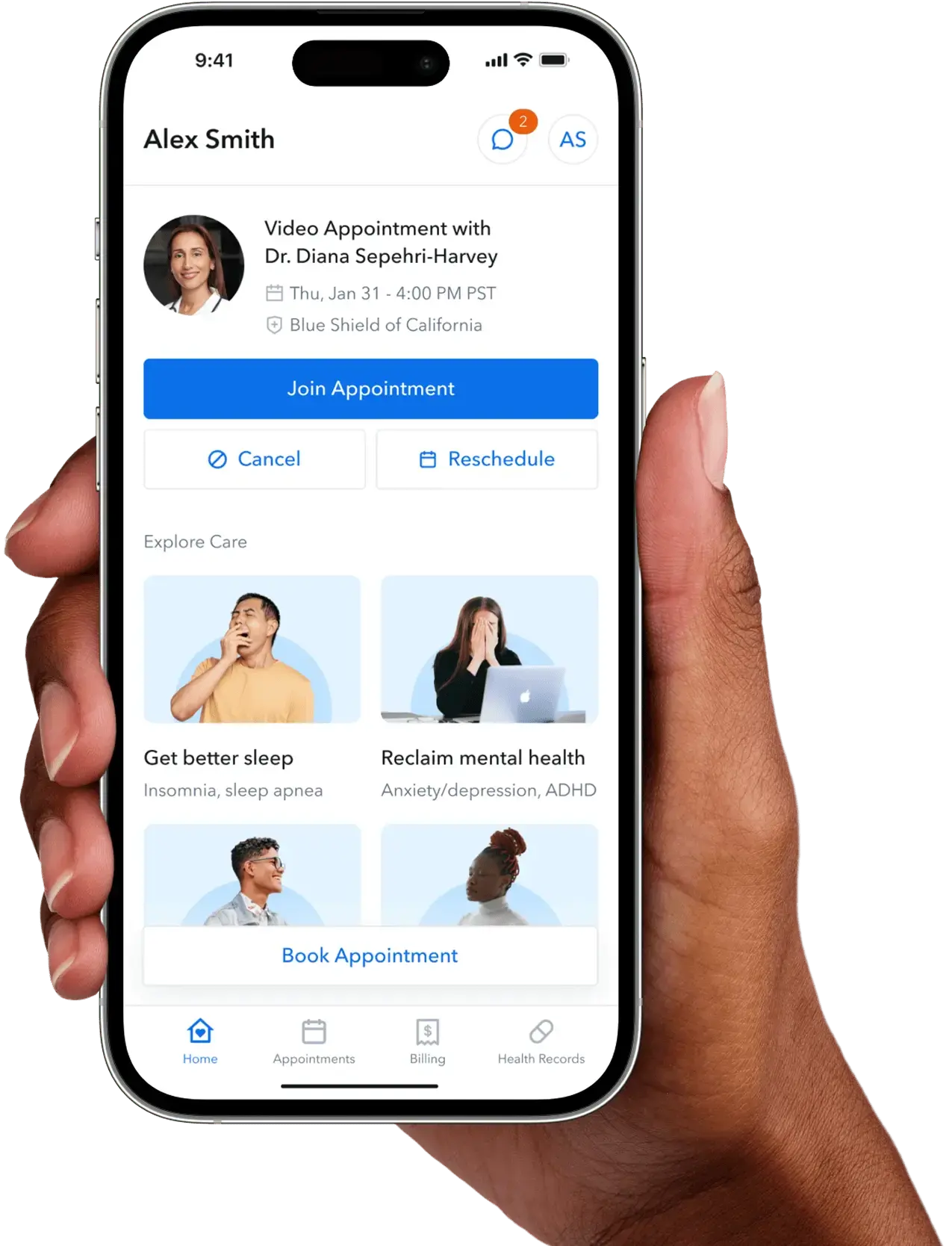
Circle Medical integrates mental health care into primary care visits, creating a supportive environment where patients can talk about emotional health concerns alongside physical health in the same trusted setting.
Common Questions About Mental Health and Relationships
Do relationships really affect mental health?
Yes. A strong body of research shows that mental health and relationships are closely linked. Supportive relationships are associated with lower stress, improved mood, and stronger emotional resilience. Healthy social interactions help the brain and body respond more effectively to everyday challenges.
Can unhealthy relationships cause anxiety or depression?
Unhealthy relationship dynamics, including ongoing conflict, trust issues, domestic violence, or emotional disconnection, can contribute to anxiety, depression, and emotional fatigue. These negative effects can increase stress and strain mental well-being over time. If a relationship feels unsafe, resources such as the National Domestic Violence Hotline can provide immediate support.
When should someone seek professional support instead of relying on friends or family?
Seeking professional support is recommended when mental health symptoms persist, worsen, or interfere with daily life, or when personal support alone is not enough. A healthcare provider can help assess symptoms, discuss how mental illness may affect a person, and guide appropriate next steps for care.
Mental Health Is a Whole-Person Experience
Supportive relationships reduce stress, improve mood, and help people stay resilient through different stages of life. Mental health challenges and mental health problems are not something anyone has to manage alone. When emotional challenges persist or begin to affect daily functioning, professional care can provide additional insight and support.
Primary care providers are often a helpful starting point for whole-person mental health care. They can listen, assess symptoms in context, and help guide next steps that align with both emotional and physical health needs.
If emotional challenges feel persistent or overwhelming, talking with a trusted healthcare provider can help clarify options for support.


Talk to a provider about your health today
In-network with most insurance plans
No memberships or hidden fees
Pay only after your appointment