















Women’s Libido


Women’s Libido: What’s Normal, What’s Not, and How to Improve Libido
TL;DR: How to Increase Libido in Women
- Low sex drive in women is common and often reflects physical health, emotional well-being, hormones, stress, and relationship factors, not willpower or failure.
- Libido is not a single switch. Sexual desire involves arousal, emotional connection, comfort, and overall sexual satisfaction, all of which can change across life stages.
- Hormonal shifts, stress, medications, medical conditions, and emotional or relationship concerns are common reasons libido may drop.
- Lifestyle changes such as regular exercise, balanced nutrition, adequate sleep, stress management, and emotional connection can naturally support a healthy libido.
- Persistent low libido that causes personal distress, painful sex, vaginal dryness, or fatigue may signal an underlying health issue worth evaluating.
- Primary care can help by looking at the full picture, including physical health, mental health, medications, and lifestyle, and supporting personalized next steps.
Why Low Libido Happens: Understanding the Bigger Picture
Sexual desire in women reflects physical health, emotional well-being, hormones, relationships, and daily stressors and not just willpower or motivation alone. Sexual desire, sex drive, and libido are often used interchangeably, and many women experience periods of low sexual desire at different points in life. If sex drive feels lower than usual, many women worry that something is “wrong.” In reality, libido often shifts when the body or mind is carrying more: whether that is stress, fatigue, discomfort, or a change in hormones.
Many women notice changes in sex drive during specific life stages, such as postpartum recovery, prolonged periods of stress, perimenopause, or menopause. These changes are common and expected because libido responds to sleep, energy levels, emotional load, physical comfort, and hormonal balance.
Understanding how libido works, and what truly supports women’s sexual health, allows women to make informed, compassionate choices about their bodies. A healthy libido is not defined by frequency or performance. A healthy libido is about comfort, connection, and sexual satisfaction within a woman’s own life, relationships, and values.
Why Libido Is Not a Single Switch in Women
Libido includes interest, sexual arousal, emotional closeness, and sexual satisfaction, which are all core components of female sexual function and overall sexual health. These elements rise and fall naturally across menstrual cycles, life transitions, and changing stress levels because the body prioritizes energy, safety, and well-being.
Short-term drops in sexual desire are common among many women, and they often improve as sleep, stress, physical comfort, emotional health, and other lifestyle factors improve. If low libido becomes persistent or starts to feel distressing, the next step is not self-blame. A persistent change can be a helpful clue that physical health, mental health, medications, or relationship factors deserve a closer look.
When Libido Drops: Common Reasons in Women
Hormonal changes influence sexual desire
Estrogen and testosterone both play roles in women’s sexual health, sexual arousal, and genital blood flow, influencing comfort, sensitivity, and desire. When estrogen levels drop, such as during perimenopause or menopause, vaginal tissues can become thinner and drier. During postpartum recovery, especially while breastfeeding, lower estrogen levels can also contribute to vaginal dryness and sensitivity. Vaginal dryness and painful intercourse can make sex uncomfortable, so it makes sense when desire drops in response.
Hormonal birth control can also influence libido for some women by altering hormone balance, particularly in premenopausal women, though responses vary widely. These effects vary widely, and they depend on factors like individual biology, dosage, and overall health history.
Chronic stress reduces sexual desire
Ongoing stress raises cortisol levels, which can interfere with sexual arousal, emotional presence, and genital blood flow, a relationship observed in clinical and physiological research on stress and sexual response. Mental load, caregiving responsibilities, work pressure, and relationship strain commonly affect women’s sex drive, even when attraction and intimacy are still present.
Stress-related low desire is not a personal failing. Stress-related low desire is the nervous system doing its job, prioritizing survival and recovery when life feels demanding.
Medical conditions and medications affect libido
Thyroid disorders, diabetes, high blood pressure, chronic pain, mood disorders, liver disorders, and other underlying health conditions can influence sexual function, energy levels, and overall women’s health. Women taking antidepressants may notice changes in libido, arousal, sexual satisfaction, or other sexual concerns, which can sometimes be addressed through medication review.
Some medications affect blood flow, nerve signaling, or hormone balance. Reviewing medications with a primary care provider can help determine whether adjustments or alternatives should be considered.
Emotional and relationship factors shape desire
Relationship stress, unresolved conflict, body image concerns, and low self-esteem can reduce sexual intimacy and responsiveness. Desire often improves when emotional needs are acknowledged, communication feels safer, and pressure is reduced.
Libido is closely linked to emotional well-being, not just physical readiness for a sexual encounter. Feeling emotionally safe and supported often makes it easier for desire to show up.
How Lifestyle Changes Can Improve Libido in Women
Exercise improves libido through blood flow and mood
Exercise increases blood flow throughout the body, including genital tissues, which supports sexual arousal, genital arousal, and physical responsiveness. Exercise improves sexual function by supporting circulation, mood, and energy. Aerobic activity supports cardiovascular health and stamina, while strength training and pelvic floor exercises help maintain muscle tone and support sexual function.
Mind-body movement such as yoga or Pilates supports nervous system regulation and body awareness. These forms of movement can help women feel more present and comfortable in their bodies, which often enhances sexual satisfaction.
Exercise Types and Libido-Related Benefits
| Exercise Type | Examples | How It Supports Libido |
|---|---|---|
| Aerobic exercise | Brisk walking, jogging, cycling, swimming | Improves cardiovascular health and blood flow, including genital blood flow, which supports sexual arousal and overall sexual function. Also boosts mood and energy. |
| Strength training | Weight lifting, resistance bands, bodyweight exercises | Builds muscle strength and endurance, supports healthy hormone balance, and can improve body confidence, which may positively influence sex drive. |
| Pelvic floor exercises | Kegels, guided pelvic floor training | Strengthens pelvic muscles involved in arousal and orgasm, supports sexual comfort, and may improve sexual satisfaction. |
| Mind-body movement | Yoga, Pilates, tai chi | Helps regulate the nervous system, reduce stress, and increase body awareness, supporting emotional comfort and sexual responsiveness. |
Nutrition supports hormone balance and energy
Healthy fats support hormone production, protein supports neurotransmitters involved in desire, and micronutrients such as zinc, magnesium, and omega-3 fatty acids play important roles in sexual health. Eating regular, balanced meals also helps stabilize blood sugar, which supports steady energy and mood.
Limiting too much alcohol can support a healthy libido, emotional well-being, and overall physical and mental health. Excess alcohol and illegal drugs can negatively affect sexual function and desire. While many supplements are marketed as a natural libido booster, evidence varies. Nutrition-focused lifestyle changes tend to provide more reliable, long-term benefits for women’s sexual health.
Key Nutrients That Support Libido and Sexual Health
| Nutrient | Why It Matters for Libido | Food Examples |
|---|---|---|
| Healthy fats | Support hormone production and vaginal tissue health, which can influence comfort and sexual desire | Avocado, olive oil, nuts, seeds |
| Protein | Supports neurotransmitters involved in mood, motivation, and sexual desire | Eggs, poultry, fish, beans, tofu |
| Zinc | Plays a role in hormone balance and sexual function | Oysters, beef, pumpkin seeds, chickpeas |
| Magnesium | Supports muscle relaxation, stress regulation, and energy levels | Leafy greens, nuts, seeds, whole grains |
| Omega-3 fatty acids | Support blood flow, cardiovascular health, and nervous system function | Fatty fish (salmon, sardines), flaxseed, walnuts |
Sleep restores hormones and desire
Sleep deprivation can disrupt stress hormones and the hormonal systems that support mood, energy, and sexual function, which may reduce sexual interest and physical arousal. Ongoing fatigue also lowers emotional bandwidth for intimacy, especially for women managing caregiving responsibilities, work demands, or irregular schedules.
Stress management supports arousal
Mindfulness, breathing exercises, gentle routines, and intentional rest can reduce cortisol levels and support emotional availability. When stress feels more manageable, many women notice that desire and responsiveness return more easily, without needing to force the issue.
Emotional connection strengthens sexual desire
Open communication, affection, and shared experiences strengthen emotional connection, sexual intimacy, and relationship satisfaction, all of which support a healthy libido. Sexual intimacy includes presence, trust, and mutual understanding, not just sexual activity.
When Low Libido Signals an Underlying Health Issue
Medical care can be helpful when low libido is ongoing, recurrent, or accompanied by symptoms such as sexual pain, painful sex, vaginal dryness, painful intercourse, mood changes, fatigue, or other shifts in physical or emotional health. In these situations, low desire may be a signal of an underlying health condition rather than a standalone sexual concern.
A primary care evaluation focuses on understanding the full picture. Blood tests may be considered when hormonal changes, thyroid conditions, testosterone levels, estrogen levels drop, or other medical factors are suspected, helping guide next steps with clarity and care.
What a Primary Care Evaluation for Low Libido Looks Like
A primary care evaluation is designed to understand what may be influencing libido, not to reduce the experience to a single cause. Many women find it helpful to talk through symptoms, sleep quality, stress levels, medications, sexual history, mental health, emotional well-being, and relationship factors with a clinician who can connect the dots, along with a review of overall health. Lab testing may be considered when appropriate to assess hormone levels or rule out underlying health conditions.
Care plans are individualized and focus on realistic, supportive next steps. These may include lifestyle guidance, addressing medical conditions, adjusting medications when appropriate, or discussing hormone-related care if clinically indicated. Hormone therapy, including vaginal estrogen for some postmenopausal women with vaginal dryness or painful sex, is not appropriate for everyone and requires careful evaluation, shared decision-making, and ongoing monitoring.
How Accessible Primary Care Can Support Women’s Sexual Health
Circle Medical provides accessible primary care for libido concerns
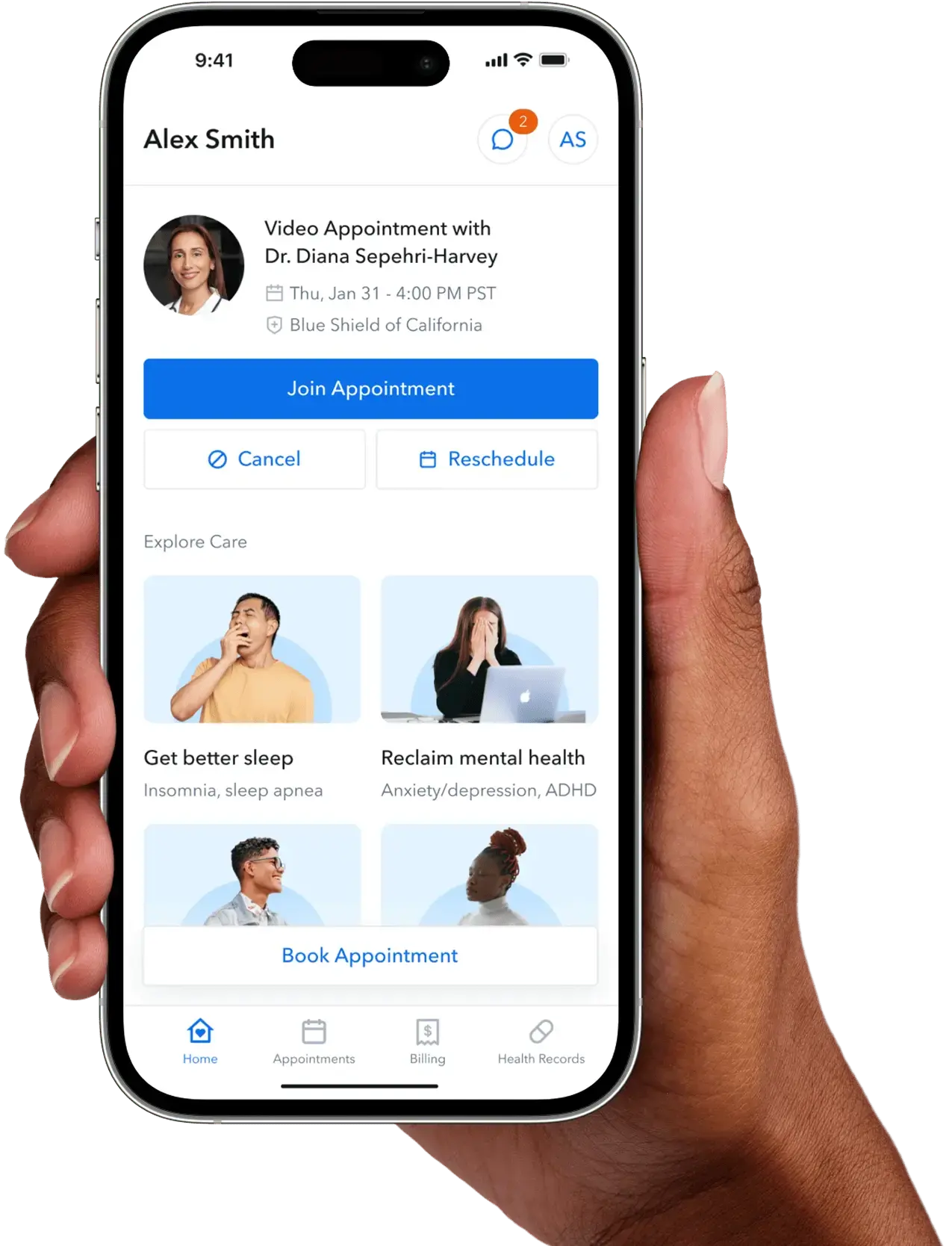
Circle Medical makes it easier for women to seek care for libido concerns in a supportive, low-pressure setting. Through virtual and in-person primary care appointments, providers take time to listen, understand what has changed, and consider physical health, emotional well-being, medications, and lifestyle factors that may be influencing sexual health.
Primary care doctors focus on identifying contributing factors, answering questions, and helping guide thoughtful next steps. When additional support is needed, care coordination and follow-up help ensure women feel supported, informed, and not navigating concerns alone.
Common Questions About Low Libido in Women
Can exercise really increase libido in women?
Yes. Regular exercise can support libido by improving circulation, mood, energy levels, and overall physical comfort. Aerobic activity supports blood flow and cardiovascular health, while strength training and mind-body movement can improve body awareness and confidence, factors that often contribute to sexual desire and satisfaction.
Does low libido always mean a hormone problem?
No. While hormones play a role, low libido often reflects a combination of factors such as stress, sleep quality, medications, mental health, relationship dynamics, and overall physical well-being. Hormonal changes are one possible contributor, but they are not the only explanation.
When should I talk to a doctor about low libido?
It may be helpful to talk with a primary care provider if low libido is persistent, causes personal distress, or does not improve with lifestyle changes. Medical care is also appropriate when low desire occurs alongside symptoms such as pain during sex, vaginal dryness, mood changes, or fatigue.
Can primary care help with sexual health concerns?
Yes. Primary care providers can evaluate the physical, emotional, and lifestyle factors that influence sexual health. They help identify possible contributing causes, recommend appropriate next steps, and coordinate care when additional support is needed.
When Libido Changes, Whole-Person Care Matters
Female libido reflects whole-person health, not a single fix or failure. Changes in desire often make sense when viewed alongside sleep, stress, emotional well-being, physical comfort, and overall health. Lifestyle changes, emotional support, and medical guidance can all play meaningful roles in helping desire return in a way that feels sustainable and aligned with a woman’s life.
When questions or concerns persist, primary care offers a supportive starting point for understanding what your body may be communicating.
If low libido is affecting your quality of life, a Circle Medical provider can help evaluate potential contributing factors and support a personalized care plan, at a pace that feels comfortable and collaborative.


Talk to a provider about your health today
In-network with most insurance plans
No memberships or hidden fees
Pay only after your appointment