














Tips for Minimizing Stress

Feeling Overwhelmed? Here’s How to Reduce Stress Effectively
Stress Affects Everyone, But It Doesn’t Have to Control You
Modern life makes stress nearly unavoidable, but it doesn’t have to take over your body, mind, or schedule. With a little awareness and consistent habits, you can start to calm your nervous system, protect your energy, and strengthen your health every day.
Stress shows up differently for everyone. You might notice restless sleep, low motivation, or constant muscle tension that makes it hard to focus. According to the American Psychological Association’s Stress in America report, about three-quarters of adults report physical or emotional symptoms of stress each month, a reminder that stress is common, but manageable. Whether it’s a new job, family responsibilities, or a full calendar, learning how to minimize stress helps you move from reaction to recovery.
Simple, science-backed habits can help you manage stress, restore balance, and find calm in everyday life, not just on weekends. Each tip supports both mental health and physical health, promoting balance and long-term well-being.
How Stress Impacts Your Body and Mind
Stress is both a mental and physical experience, and understanding its full impact helps you take control of it.
Chronic Stress Disrupts Sleep and Focus
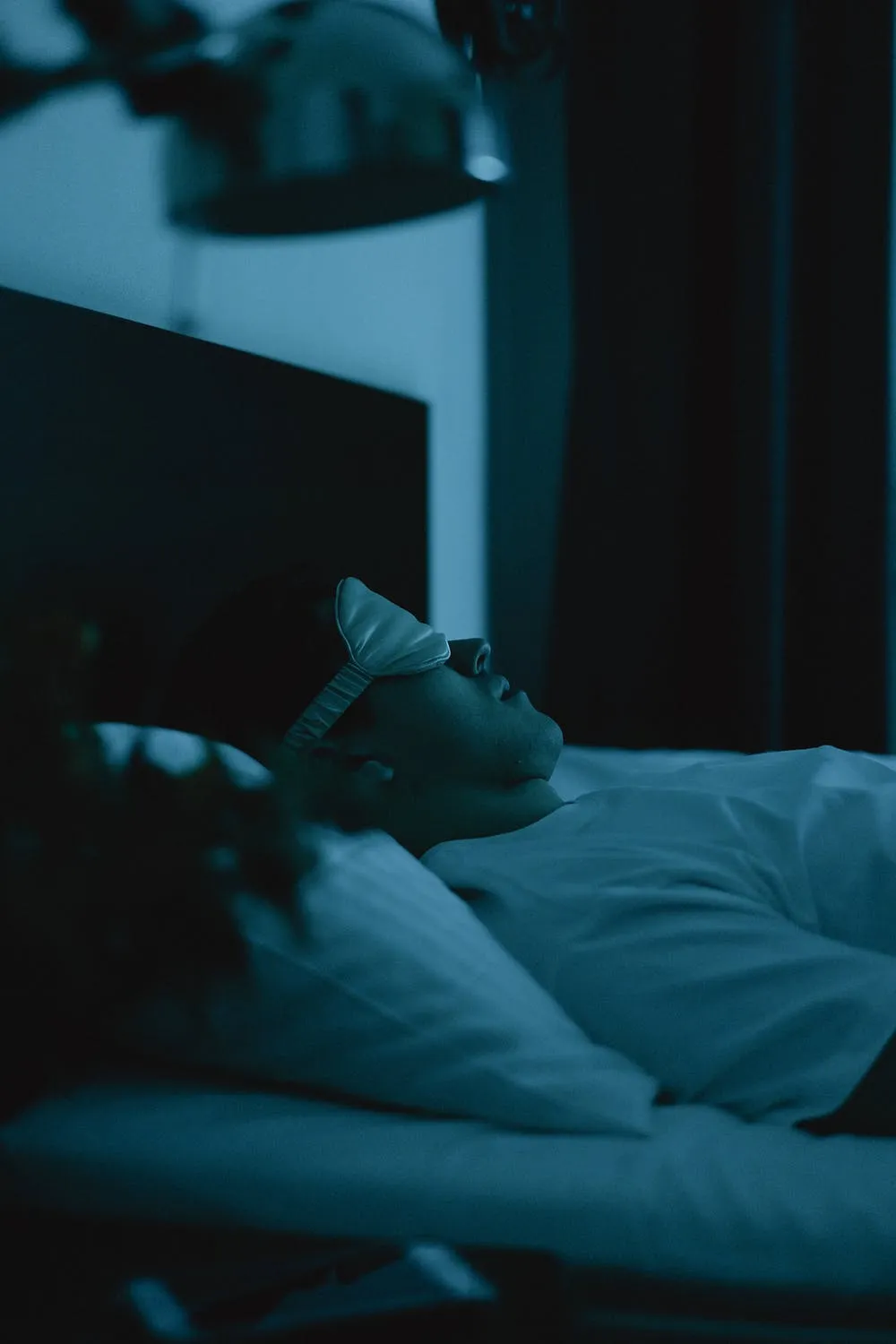
When your body senses pressure, it releases cortisol to keep you alert. In short bursts, this is useful. But when the stress response stays on, your sleep cycles and focus start to suffer. Over time, chronic stress drains energy, disrupts memory, and impacts both physical and mental health.
Emotional Stress Takes a Physical Toll
Emotions and the body are deeply connected. Ongoing worry or frustration can trigger muscle tension, headaches, fatigue, and higher blood pressure. The American Heart Association links long-term stress to a greater risk of cardiovascular issues. These physical symptoms remind us that emotional strain often shows up in the body first.
Awareness Is the First Step to Relief
Pay attention to your personal stress response, like shallow breathing, irritability, or a racing heart. These signals are invitations to pause and reset. By recognizing early signs, you can apply effective stress management techniques before symptoms escalate.
Everyday Habits That Help You Manage Stress Naturally
Small, consistent actions create powerful shifts in how your body and mind respond to daily life stress. By grounding your attention and caring for your body in simple ways, you can build natural resilience and restore calm anytime, anywhere.
Mindful Breathing Calms the Nervous System
Even sixty seconds of intentional breathing exercises can change how your body feels. Try the 4-7-8 breathing technique: inhale through your nose for four seconds, hold for seven, and exhale slowly for eight. Taking deep breaths activates the body’s relaxation response, lowering heart rate and easing tension so your mind can reset. Practicing this regularly may lower blood pressure and improve relaxation.
Physical Movement Rebalances Energy
Your body stores stress, and physical activity helps release it. A short walk, a few yoga stretches, or a light bike ride can reduce stress and restore balance by increasing circulation and releasing endorphins, the body’s natural stress relievers. Movement relaxes muscle tension, stabilizes mood, and helps you fall asleep more easily for a good night’s sleep.
Digital Boundaries Restore Focus and Calm
Notifications, news alerts, and constant scrolling can overload your senses and worsen stress. Create intentional “screen-off” hours, especially in the evening, to give your brain a chance to recover. Protecting your mental space from digital noise strengthens focus, lowers the mental load, and supports emotional calm.
How Lifestyle Choices Impact Your Stress Resilience
Your daily choices, from what you eat to how you rest, shape your ability to recover from long-term stress. Building resilience is less about perfection and more about consistency in habits that nourish both mind and body.
Balanced Nutrition Fuels Emotional Stability
Food directly affects mood and energy. A well-balanced diet rich in whole grains, lean proteins, fruits, and healthy fats helps stabilize blood sugar and may support emotional stability. Choosing nutrient-dense foods is linked to better focus and mood regulation.
Boundaries Protect Your Time and Energy
Stress multiplies when your schedule leaves no room to recharge. Setting boundaries, declining extra commitments, or creating quiet moments helps you avoid unhealthy habits like skipping meals or sacrificing sleep. Protecting your time is an act of self-care that keeps you grounded and focused.
Positive Reframing Strengthens Mental Flexibility
Your mindset is a key part of stress resilience. When challenges arise, try reframing negative thoughts into constructive ones. Shift “I can’t handle this” to “I can take this one step at a time.” This simple cognitive reset helps manage stress and reinforces confidence, especially during long-term stress.
When Stress Affects Daily Life: Why Professional Help Matters
When stress begins to interfere with your day-to-day life, seeking professional care can help you regain balance. A mental health professional or primary care provider can identify underlying causes, address both physical and emotional symptoms, and create a plan that supports long-term well-being.
Recognize When to Seek Help
Stress becomes more than an inconvenience when it starts affecting your sleep, focus, or relationships. If you’ve noticed ongoing fatigue, headaches, or feelings of anxiety for more than two weeks, it may be time to reach out. Early intervention and emotional support help prevent stress from progressing into more serious health concerns.
Primary Care Doctors Provide Whole-Person Support
Circle Medical’s primary care doctors take an integrated approach to stress management. They listen to your concerns, evaluate physical symptoms, and screen for conditions like depression or anxiety. Through compassionate, evidence-based care, they’ll help you find solutions that fit your lifestyle and goals.
Mental Health Care Enhances Lifestyle Changes
Partnering with a mental health professional can make your self-care routines even more effective. Therapy, guided meditation, and complementary and integrative health approaches such as mindfulness or relaxation training can strengthen your coping tools. When combined with healthy habits, these supports create lasting improvements in emotional well-being.
Make Calm a Habit: Build Your Personal Stress Plan
A personalized plan helps you transform good intentions into daily habits that naturally lower stress and improve balance.
| Step | What to Do | Example | Why It Helps |
|---|---|---|---|
| 1. Identify Stress Triggers and Responses | Reflect on moments that cause you to feel overwhelmed in your day-to-day life. Note any physical symptoms like increased heart rate, muscle pain, or restlessness. | Write down 2–3 triggers (e.g., tight deadlines, lack of sleep). | Awareness turns vague stress into specific, solvable challenges. |
| 2. Choose One Daily and One Weekly Habit | Pick one action you can do daily and another weekly to support calm. | Daily: 5 minutes of deep breathing. Weekly: Spending time outdoors or calling a family member. | Builds sustainable habits without overwhelming your schedule. |
| 3. Track and Adjust Regularly | Record your stress levels, sleep, or mood at least once a week. Reflect on improvements or patterns. | Use a planner, app, or notes on your phone. | Tracking keeps you accountable and highlights progress in mental well-being. |
Frequently Asked Questions: Managing Stress and Anxiety
Here are evidence-based answers to common stress and anxiety questions, so you can feel informed, supported, and empowered to take action.
What is the fastest way to relieve stress naturally?
Try quick stress relievers like deep breaths, progressive muscle relaxation, or short guided meditation sessions. Even one minute of deep breathing can lower heart rate and help calm the body’s stress response.
Can stress cause physical illness?
Yes. Chronic stress contributes to cardiovascular disease, digestive issues, and a weakened immune system. It can also increase blood pressure and muscle tension, which affects both body and mind.
How can I tell if my stress is serious?
If you experience ongoing fatigue, poor concentration, or disrupted sleep for more than two weeks, reach out to a primary care provider or mental health professional. Early emotional support can prevent stress from leading to burnout or depression.
What are healthy ways to manage stress every day?
Incorporate small actions such as deep breathing, physical activity, and connecting with others to build balance into your routine. Consistent habits work better than occasional efforts and help reduce stress naturally.
How do I avoid unhealthy coping habits?
Avoid using alcohol, recreational drugs, or excessive screen time to escape stress. Instead, focus on self-care practices like a healthy diet, enough sleep, and mindful relaxation to protect your long-term and overall health.
Can anxiety and stress be managed together?
Yes. Many people experience both. Working with a primary care doctor or mental health professional can help identify triggers and create a combined plan that includes lifestyle strategies and, if appropriate, therapy or complementary and integrative health techniques.
Find Your Balance: Small Steps Toward a Calmer Life
Finding calm isn’t about erasing stress. It’s about learning to respond to it with awareness, balance, and care.
Stress will always be part of life, but it doesn’t have to define it. With mindful routines and the right support, you can strengthen your mental well-being, stay focused, and protect your physical and mental health even in demanding seasons. Every small step like taking a deep breath, setting a boundary, or getting enough sleep, helps restore your sense of control and clarity.
If stress starts to feel overwhelming, Circle Medical’s compassionate primary care providers are here to help. They’ll work with you to uncover underlying factors, guide you through evidence-based stress management, and build a plan that fits your lifestyle, through virtual or in-person care.
Talk to a Circle Medical provider today to learn how personalized, integrative health care can help you reduce stress, manage stress, and find lasting stress relief.


Talk to a provider about your health today
In-network with most insurance plans
No memberships or hidden fees
Pay only after your appointment